Introduction
Hydration sounds like the most basic part of wellness, almost too basic to be interesting. Drink water, repeat. And yet adults consistently get this wrong. Some go through the day on coffee and a single late afternoon glass of water, others overcorrect and chase a gallon a day they do not need. Both extremes leave you feeling worse than the middle path.
Water is involved in nearly every process your body runs. Circulation, digestion, temperature control, joint cushioning, brain function, and recovery from exercise all depend on it. When hydration drifts off, those systems get a little less efficient, and the symptoms show up as foggy thinking, low energy, headaches, and stalled workouts. This guide covers what hydration actually does, how much you need, and how to build a routine that supports your wellness without turning into another stressful goal.
What Hydration Does Inside The Body
Your body is mostly water, and that water is doing real work every minute, not just sitting around.
Transportation And Circulation
Blood is mostly water, and it is the delivery system for oxygen, nutrients, and hormones. When you are well hydrated, blood volume is steady, your heart does not need to work harder than necessary, and circulation reaches your brain and muscles efficiently. When you are low, even by a small percentage, your heart rate creeps up and everything feels harder.
Temperature Regulation
Sweating is one of the main ways your body keeps cool, and sweating depends on water. In warm weather, during workouts, or in dry indoor heat, your body needs more fluids. People often blame heat for fatigue when the real issue is mild dehydration on top of the heat.
Digestion And Waste Removal
Water helps break down food, move it through the digestive tract, and form regular stools. Your kidneys also rely on adequate fluids to filter waste. Chronic low intake is a common, overlooked contributor to constipation and to that always-a-little-puffy feeling some people describe.
Signs You Are Not Drinking Enough
You do not have to be visibly dehydrated to feel the effects. The early signs are subtle and easy to misread.
Persistent Mild Headaches
If you regularly get a low-grade headache in the late morning or afternoon, hydration is one of the first places to look. Two large glasses of water and seeing whether it eases is a quick, low-cost test.
Foggy Thinking And Fatigue
Even mild dehydration can affect concentration and mood. People often reach for more caffeine when the better first move is more water. If you find yourself unfocused around 2 or 3 p.m., check your fluid intake before you reach for another energy drink.
Dark Urine And Infrequent Bathroom Trips
Pale yellow urine, several times a day, is a reasonable target. Consistently dark urine, or going long stretches without needing the bathroom, is usually a sign that intake is too low. This is not a perfect measure, but it is a useful daily check.
How Much Water You Actually Need
The familiar eight glasses a day rule is not based on hard science, but it is a reasonable starting point for many adults.
A Realistic Range
Most adults do well with somewhere between 60 and 100 ounces of fluid per day, including water and other unsweetened drinks. Larger bodies, hotter climates, and active lifestyles push the number higher. Smaller, less active people in mild climates can do fine on the lower end.
Food Counts Too
Fruits, vegetables, soups, yogurt, and many other foods contain water that contributes to your daily total. People who eat a lot of plants tend to be better hydrated than those who live mostly on dry, processed foods, even at the same drink intake.
You Can Drink Too Much
Drinking enormous amounts of water in short periods is uncomfortable at best and dangerous at worst. The kidneys can only process so much at once, and overhydration can dilute electrolytes. Steady intake through the day is far better than chugging a gallon to catch up.
Hydration For Exercise
Workouts increase your water and electrolyte needs, sometimes dramatically.
Before, During, And After
Drinking a glass or two of water in the hour or two before a workout sets you up well. During exercise that lasts under an hour at moderate intensity, plain water is usually enough. After the session, replace fluids gradually, especially if you sweat heavily. The color of your urine over the next few hours is a useful guide.
Long Or Hot Sessions
For workouts longer than an hour, in hot weather, or for heavy sweaters, plain water alone may not be enough. Adding a pinch of salt to your drink, using an electrolyte mix, or eating salty whole foods after the session helps replace what was lost. This is more relevant for endurance athletes than for casual gym-goers, but it matters.
Watch For Cramps And Headaches Post-Workout
Cramps, headaches, or feeling unusually drained after a workout can be signs of hydration or electrolyte issues. Track patterns over a few weeks. If they only show up after long, hot sessions, the answer is usually more fluids and a bit of sodium, not less exercise.
Coffee, Tea, And Other Drinks
Not every drink is the same when it comes to hydration, but the picture is friendlier than it used to be.
Coffee And Tea Still Count
The old idea that coffee dehydrates you has been largely walked back. For habitual coffee drinkers, regular consumption contributes to overall hydration, even with the diuretic effect of caffeine. The bigger issues are sugar, syrups, and quantity, not coffee itself.
Sweetened Drinks Are Mostly A Calorie Issue
Sodas and sweetened coffee drinks technically hydrate you, but they bring a lot of sugar and processed ingredients along for the ride. Treating them as occasional, not daily, gives you the hydration without the metabolic cost.
Alcohol Is The One Real Exception
Alcohol does increase fluid loss, and it is one reason hangovers feel so rough. Drinking water alongside any alcohol you have, and rehydrating well the next morning, takes the edge off and supports recovery.
Building A Hydration Routine That Sticks
Hydration goals fail when they rely on willpower. They succeed when they ride on simple cues.
Anchor Drinks To Existing Moments
A glass of water when you wake up, with each meal, before each coffee, and when you sit down at your desk creates several reliable cues each day. By the time you stack those, you are already in a healthy range without thinking about it.
Keep A Bottle In Sight
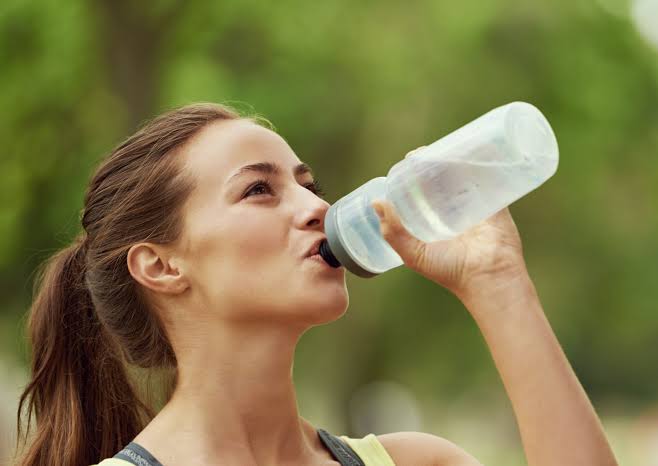
Visibility is half the battle. A bottle on your desk, in your car, or in your bag means you drink more without effort. People who carry a water bottle out of habit almost always meet their hydration needs better than those who do not.
Make It Slightly More Interesting
If plain water bores you, add lemon, cucumber, mint, or a splash of unsweetened tea. Sparkling water with a wedge of citrus can replace the urge to crack open a soda. Small flavor tweaks make it easier to drink enough through the day.
Conclusion
Hydration is not exciting, but it quietly supports almost everything else you do for your health. It steadies your energy, sharpens your thinking, helps your workouts go better, and keeps the unglamorous parts of your body running smoothly. You do not need a strict ounce target or a fancy bottle. You need consistent intake spread across the day, sensible adjustments around exercise and weather, and a few habits that make water the default. Drink with each meal, keep a bottle nearby, and pay attention to how you feel rather than chasing a perfect number. The payoff is steady wellness that becomes hard to notice precisely because everything is working the way it should.
FAQs
Do I really need to drink eight glasses of water a day?
Eight glasses is a rough guide, not a strict rule. A range of 60 to 100 ounces of total fluids works for most adults, with adjustments for activity, body size, and climate.
Does coffee count toward my daily water intake?
Yes, for regular coffee drinkers it contributes to total fluid intake. The mild diuretic effect does not cancel out the water it provides. Just be mindful of total caffeine and added sugar.
Is it possible to drink too much water?
Yes, especially if you drink very large amounts in short periods. This can dilute electrolytes and, in extreme cases, become dangerous. Steady, moderate intake through the day is far safer than chugging.
Should I use electrolyte drinks?
For most short, moderate workouts, water is enough. Electrolyte drinks are useful during long workouts, in heavy heat, or when you sweat a lot. Watch the sugar content in many sports drinks if you use them daily.
How fast can I tell if better hydration is helping?
Some effects, like fewer headaches and clearer thinking, can show up within days. Others, like better skin, easier digestion, and improved workouts, build up over a few weeks of consistent intake.